

Thursday, August 6, 2026
from 9 am to 1 pm
The Adirondacks are defined by water - rushing rivers, quiet wetlands, mountain streams, and deep winter snowpack. But when that water moves faster, higher, and more unpredictably, it reshapes communities, landscapes, and lives. This summer, join scientists, artists, community leaders, emergency responders, and residents from across the Adirondack region for a half-day conference highlighting one of the region’s most pressing challenges – flooding. Together, we’ll explore what makes the Adirondacks vulnerable to powerful flood events, how communities have responded and adapted to flood damage, and how we can be better prepared for rising waters.
REGISTRATION
When Waters Rise: Adirondack Flooding Risk, Response, and Resilience
8 am: Check-in Opens
- Registered attendees check-in and receive their name badge
- New attendees are invited to register if tickets remain
9 am: Event begins in Flammer Theater with a welcome from The Wild Center and Adirondack Climate Outreach & Resilience Network (ACORN)
9:15 am: Adirondack Waters with Dr. Curt Stager
About: Water sustains life on Earth, creates climates, and shapes landscapes. It is also magic. Let me explain in 15 minutes or less.
9:40 am to 10:30 am: Breakout Sessions
- Breakout 1: Building Resilience through Infrastructure with Josh Lafountain, The Nature Conservancy
About: Road-stream crossings—like culverts and bridges—play a critical role in how water, fish, wildlife, and communities stay connected. When crossings are undersized or poorly designed, they can restrict stream flow, block fish passage, fragment habitat, and increase the risk of road damage or failure during storms. These impacts are widespread and growing as storm intensity increases.
Well-designed crossings, based on stream simulation or similar approaches, work with natural processes rather than against them. They allow water to move more freely during high flows, reducing the likelihood of washouts and improving overall flood resilience for nearby communities. At the same time, they maintain natural stream conditions—supporting fish movement, reconnecting habitat, and allowing wildlife to safely pass along and across stream corridors. This approach recognizes that infrastructure can serve multiple purposes: improving public safety, maintaining transportation networks, and supporting healthy ecosystems. While traditional designs may focus on short-term fixes, resilient crossings are built to function over the long term under changing climate conditions.
In this session, we’ll explore how crossings influence both flood risk and ecological connectivity, why these issues are closely linked, and what better design looks like in practice. We’ll also walk through the long-term economic case for investing in resilient infrastructure and demonstrate how these concepts play out using a hands-on stream table model. - Breakout 2: Living Shorelines: The Role of Macroinvertebrates and Wildlife in Assessing Resilient Lakeshores with Annie Arnold, Paul Smith’s College Adirondack Watershed Institute
About: This hands-on workshop begins with collecting and identifying macroinvertebrates in and around Greenleaf Pond. Participants will explore the diversity of aquatic insects that inhabit the pond while conducting a rapid assessment of water quality using macroinvertebrates as bioindicators. Because these small creatures are ectothermic and spend much or all of their lives in the water, they are highly sensitive to changes in environmental conditions like temperature, oxygen, and pollution levels. By examining which species are present and absent, scientists can gain valuable insight into the health, water quality, and ecological integrity of aquatic ecosystems, especially when faced with challenges like flooding events.
Whether you're a curious beginner or a lifelong nature enthusiast, you'll learn how simple sampling techniques and identification tools can be used to evaluate the condition of lakes, ponds, and streams. AWI's Watershed Educator, Annie Arnold, will guide participants through an accessible bioassessment process while introducing the fascinating world of aquatic insects and the important role they play in freshwater ecosystems. - Breakout 3: What the Stream Knows: The Limits of Models and the Value of Geomorphology in Evaluating Flood Risk with Gary Henry and Marque Moffett - Ausable Freshwater Center
About: Most of us have heard of the "100-year flood," but where does that number actually come from — and can we trust it? This session pulls back the curtain on the engineering behind flood risk.We'll start with the "design storm": the rainfall or streamflow figure that drives nearly every culvert, bridge, and floodplain decision. You'll see the ways that number gets estimated — regional peak-flow equations, statistical analysis of stream gage records, and computer rainfall-runoff models — and why each method has its strengths and blind spots. We'll do a simple gage analysis together, so you can see how a "100-year" probability is calculated. We’ll also discuss the concept of "stationarity" — the assumption that the past predicts the future — which a changing climate has quietly broken.
From there, we'll follow that number into hydraulic modeling, where engineers simulate how water moves through a stream and a structure. Here's the catch: scientific models should be calibrated and validated against real measurements — but for a typical stream project, those data simply don't exist. We're often trusting models we can't fully check.
That's where geomorphic assessment comes in. Streams keep their own record — in their beds, banks, form, and profile — of the hydrologic and hydraulic processes taking place within the system. Reading that record gives us an independent reality check on the models, and an honest way to work with deep uncertainty.
We'll ground everything with some local examples to see how these ideas play out on actual streams. No engineering background needed — just curiosity about the water moving through your community.
10:40 am to 11:25 am: Changing Currents: Spawning Action Through Art - Adirondack Experience (ADKX) Arts Panel Discussion moderated by Merle McGee, ADKX
About: This moderated panel will feature artists Iakonikonriiosta and Joy Muller-McCoola, and Adirondack Experience Chief Curator Laura Rice, as they discuss how art can document and communicate environmental issues. Each panelist will discuss their work, and how it reflects climate change as it relates to water. The discussion will be followed by a Q&A.
Panelists:
- Joy Muller-McCoola, Joy Woolworks
- lakonikonriiosta, Mohawk Artist
- Laura Rice, Chief Curator, ADKX
11:30 am to 12:15 pm: Community Flooding: Risk, Response and Resilience moderated by Sunita Halasz, Adirondack Council
About: Flooding impacts every Adirondack community differently, but resilience begins with understanding local risks and learning from lived experience. In this panel, community leaders and watershed experts will share firsthand perspectives on flood preparedness, emergency response, recovery, and long-term adaptation. Through stories from the field and practical examples, panelists will explore how communities can work together to reduce vulnerability, strengthen local capacity, and build resilience in the face of increasingly frequent and intense flood events. Attendees will gain insights into the challenges and opportunities of preparing Adirondack communities for a changing future.
Panelists:
- Colin Powers, Boquet River Association Executive Director
- Joe Pete Wilson, Keene Town Supervisor
- Ann Marie Mason, Director, Office of Emergency Services, Warren County
- Alex Jacobs Wilke, Mayor of Potsdam
12:20 pm to 1 pm: KEYNOTE with Q&A
Rivers and Resilience: Our Shared Future with Tim Koch, Stream Restoration Specialist, NYSDEC / NYS Water Resources Institute
About: The best foundation for solving any problem is to understand the root cause. To that end, the flow of this talk will start with foundational concepts from the fields of river science and fluvial geomorphology. We will answer the question, “why do rivers flood?” We will compare the function of a stream channel to that of a floodplain. We will come to understand and appreciate why a stream channel is the size that it is, and why it is not, and should not be large enough to contain large floods within its banks. With insight into why rivers flood, we can advance to topics of climate change and resilience to look for adaptation strategies that work with rivers rather than continue to fight against them.
Regional streamflow data will be presented that illustrate the history of climate change over recent decades and extend those trends into the future. We will discuss effective approaches to stream and floodplain management that rely less on human hubris and more on self-sustaining natural features. These strategies will be placed into an overarching framework of resilience and adaptation that shapes how New York State is advancing into an uncertain future.
1 pm: Closing Remarks
1 to 5:30 pm: Adirondack Center for Loon Conservation drop-in in the Great Hall
About: Loon Conservation Research Interns, Brooke Simko and Luna Pagan, will be presenting findings from an ongoing pilot study examining how recreational boat traffic influences the nesting and reproductive success of the Common Loon (Gavia immer) on Adirondack lakes. As a bioindicator species, the Common Loon provides insights into aquatic ecosystem health, making water clarity, wake disturbance, and climate change variability important metrics for understanding nesting vulnerability. Prior work was expanded during this 2026 field season by Brooke and Luna, as well as a group of local volunteers, by measuring wave height generated by different boat types, speed, and shoreline distances. In addition, they also assessed water clarity differences across lakes with varying degrees of boat traffic using Secchi depth readings. Surveys were conducted weekly, across six weeks. These data contribute to ongoing efforts in evaluating how large wakes and changes to water clarity may influence loon nesting success and foraging abilities.
2 to 4 pm: Afternoon Programming (optional)
- Exploring Rivers and Resiliency in the Adirondacks with Dan Spada and Stephen Langdon
About: Exploring Rivers and Resiliency in the Adirondacks is an engaging guided walk along the Raquette River that explores the dynamic relationship between rivers, wetlands, and the surrounding landscape. Participants will learn how seasonal flooding shapes floodplain forests and wetlands, creating productive habitats that support a rich diversity of plants and wildlife while improving water quality and reducing downstream flood impacts. Along the trail, we will discuss how wetlands function as natural infrastructure by storing floodwaters, recharging groundwater, filtering sediments and nutrients, and providing critical habitat for fish, birds, amphibians, and other wildlife.The program also examines how climate change is influencing river systems throughout the Adirondacks. More frequent extreme precipitation events, changing snowmelt patterns, and warmer temperatures are altering stream flows, increasing flood risks, and affecting wetland ecosystems and our transportation infrastructure. Participants will learn how protecting floodplains and restoring wetlands can increase climate resiliency for both natural ecosystems and human communities. Throughout the walk, we will interpret visible features of the landscape—including watershed features, historic human disturbance, and riparian vegetation—to illustrate the ecological processes that have shaped the Raquette River corridor over thousands of years. This presentation provides an opportunity to experience one of the Adirondacks' iconic rivers while gaining a deeper appreciation for the essential role that healthy rivers and wetlands play in sustaining biodiversity, improving water quality, and helping communities adapt to a changing climate.
Get your hands wet participating in a shoreline health assessment drop-in activity at Greenleaf Pond led by Paul Smith’s College Adirondack Watershed Institute’s Watershed Educator Annie Arnold, Research Director Michale Glennon, and Graduate Fellow Alec Cimini.
AWI Graduate Fellow Alec Cimini and Research Director Michale Glennon will join Annie Arnold to expand our understanding of insects and wildlife along our shorelines. Learn about birds, amphibians, reptiles, terrestrial insects, and other wildlife that depend on healthy shoreline habitats. Participants will hear why and how diverse shorelines are more resilient to flooding, erosion, and other environmental stressors. By observing the wildlife that calls these areas home, you'll gain a deeper understanding of how shoreline biodiversity serves as a powerful indicator of ecosystem health and why protecting these natural buffers benefits both wildlife and water quality.Attend a Wild Center mini canoe trip on the Raquette River to discuss flood ecology and learn about wetland wildlife impacts with Wild Center Naturalists.
- 1 to 5:30 pm: Spend the afternoon with Wild Center Naturalists onsite for flooding themed Creature Features, Tour of the Tanks, Otter Programs, and a specialty Science on a Sphere Program in Planet Adirondack.
Offsite Field Trip:
Attend a specialty field trip to the SUNY ESF Newcomb Campus for a tour exploring their recent flood damage, infrastructure repairs, and how they integrated their response with academic experience.
A Bridge Too Far: Learning from flooding at ESF Newcomb Campus: Our water-rich region's roads and bridges often receive the brunt of flooding impact. Join scientists, educators and forest managers to see firsthand how SUNY ESF has dealt with a major flood on its Newcomb Campus and the upgrading/restoration of transportation infrastructure. Start at the Adirondack Interpretive Center for a brief overview of what ESF is and does. Walk about 10 minutes down a relatively accessible though hilly trail to the Hudson River where the public trail bridges washed out in 2023; walk back to AIC (bathrooms). Carpool/drive on campus 2 miles west to Arbutus Road to see the new bridge and road repairs. Hear about forest, facility, engineering and other research ESF's flood response. Optional: brief tour of the exterior of historic Arbutus Great Camp, where art meets science (former getaway of Archer and Anna Hyatt Huntington, famous sculptor). Can stay for a free public talk about Blackflies, Wildlife and Humans at 7 pm; food available offsite in town. Newcomb Campus is approx. 40 minutes from Tupper Lake.
Route Description: Start at the Adirondack Interpretive Center (parking, bathrooms) - can drive to the building and drop off. Outdoor: walk about 10 minutes (1/4 mile) down a trail with some hills - the path can have debris and has some steeper sections. Carpool/drive 1 mile to the second campus location (outdoors). Review of road and bridge flood damage/repair - minimal walking, mostly level gravel surface.
Accessibility: Uneven surfaces, some hills and gravel road/surfaces - possibly slippery if wet
Suggestions: Wear comfortable walking shoes and prepare for the weather; learn more at www.esf.edu/aic. Questions: email aic@esf.edu or phone 518-582-2000.
Tour Leaders:
- Eliza Phillips, SUNY ESF Adirondack Interpretive Center Program Manager
- Bob MacGregor, SUNY ESF Forest Properties Director
- Stacy McNulty, Associate Director of Research SUNY ESF Adirondack Ecological Center
Timeframe: Begins at 3 pm, concludes at 4:30-5 pm
Max Participants: 40 persons
Field Trip Address: 5922 State Route 28N, Newcomb, NY 12852 (Adirondack Interpretive Center) Latitude/Longitude Coordinates: 43.97445401186308, -74.18814469461698
ABOUT THE SPEAKERS
KEYNOTE: Tim Koch
NYSDEC / NYS Water Resources Institute
Tim Koch grew up in small-town Central New York and spent many of his childhood weekends hiking and camping in the Adirondacks. His dad was a freelance nature photographer in a time before point-and-click digital photography, so Tim spent a lot of time idling near mountain streams while his dad adjusted the camera aperture and shutter speed. In those quiet, wild moments, Tim’s love of free-flowing streams emerged. As a small spring grows into a mighty river over the course of miles, Tim’s childhood fascination with streams grew over the decades, not only into a career in river conservation and restoration, but into a soulful passion for all things streams.
Tim received a Master of Science degree from SUNY-ESF in Watershed Hydrology and spent 10 years working with rivers in the Catskill Mountains where he received extensive training in applied fluvial geomorphology and developed novel technical education programs on stream science, management, and restoration. As the Stream Restoration Specialist with the NYS Water Resources Institute,Tim is embedded within the NYS DEC and works across regional and bureaucratic boundaries to advance stream restoration, dam removal, and flood resilience projects across the State.”
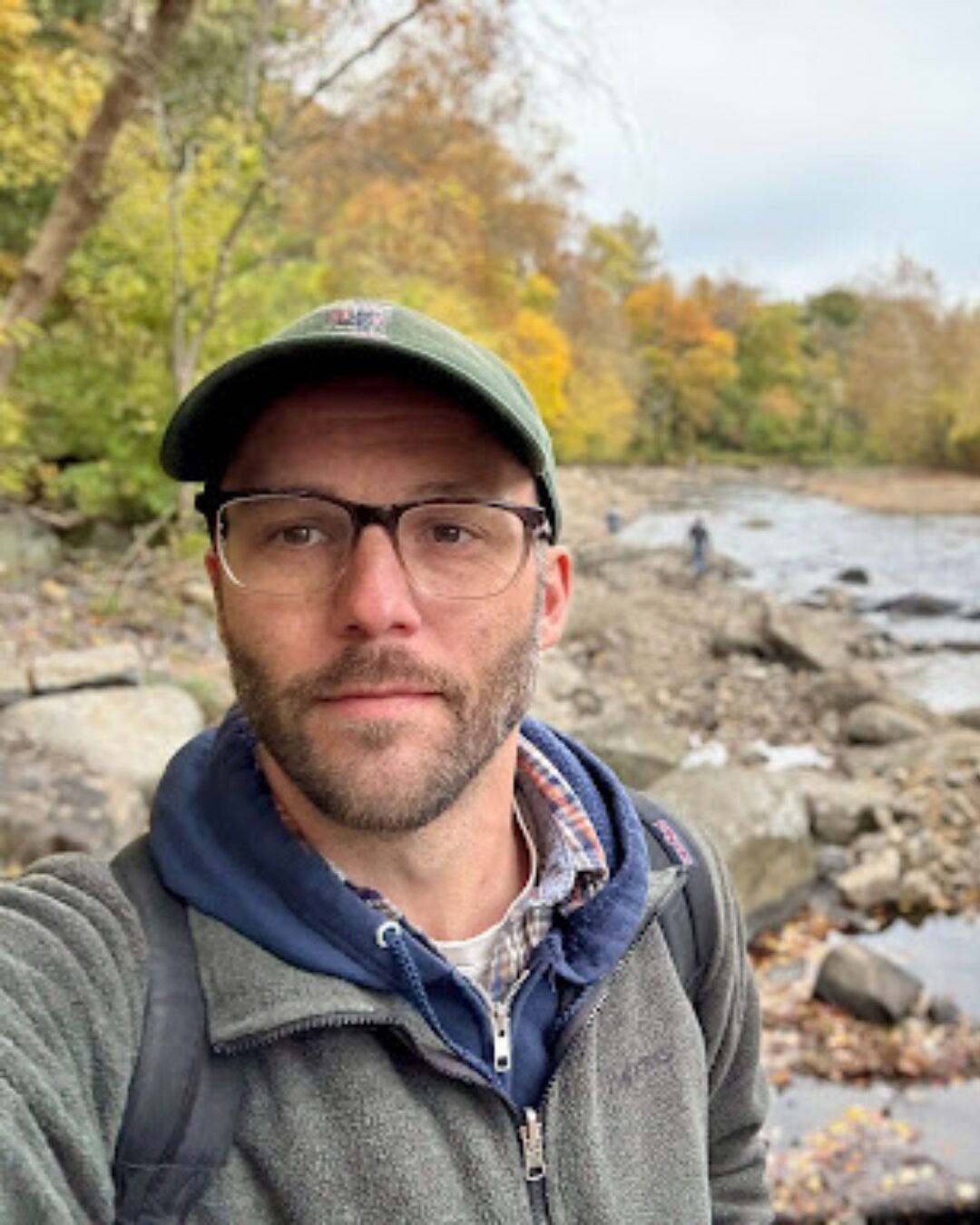
KEYNOTE: Curt Stager
Paul Smith's College
CURT STAGER is a scientist, educator, and author whose research deals with climate change, human interactions with the natural world, and environmental history. His work has been published in major periodicals including Science, National Geographic, and The New York Times as well as in award-winning books, most recently "The First Adirondackers: 12,000 Years of Human Presence in the Adirondack Uplands." He currently teaches natural sciences and holds an endowed research chair at Paul Smith's College. In 2013, the Carnegie-Case Foundation named him Science Professor of the Year for New York State.
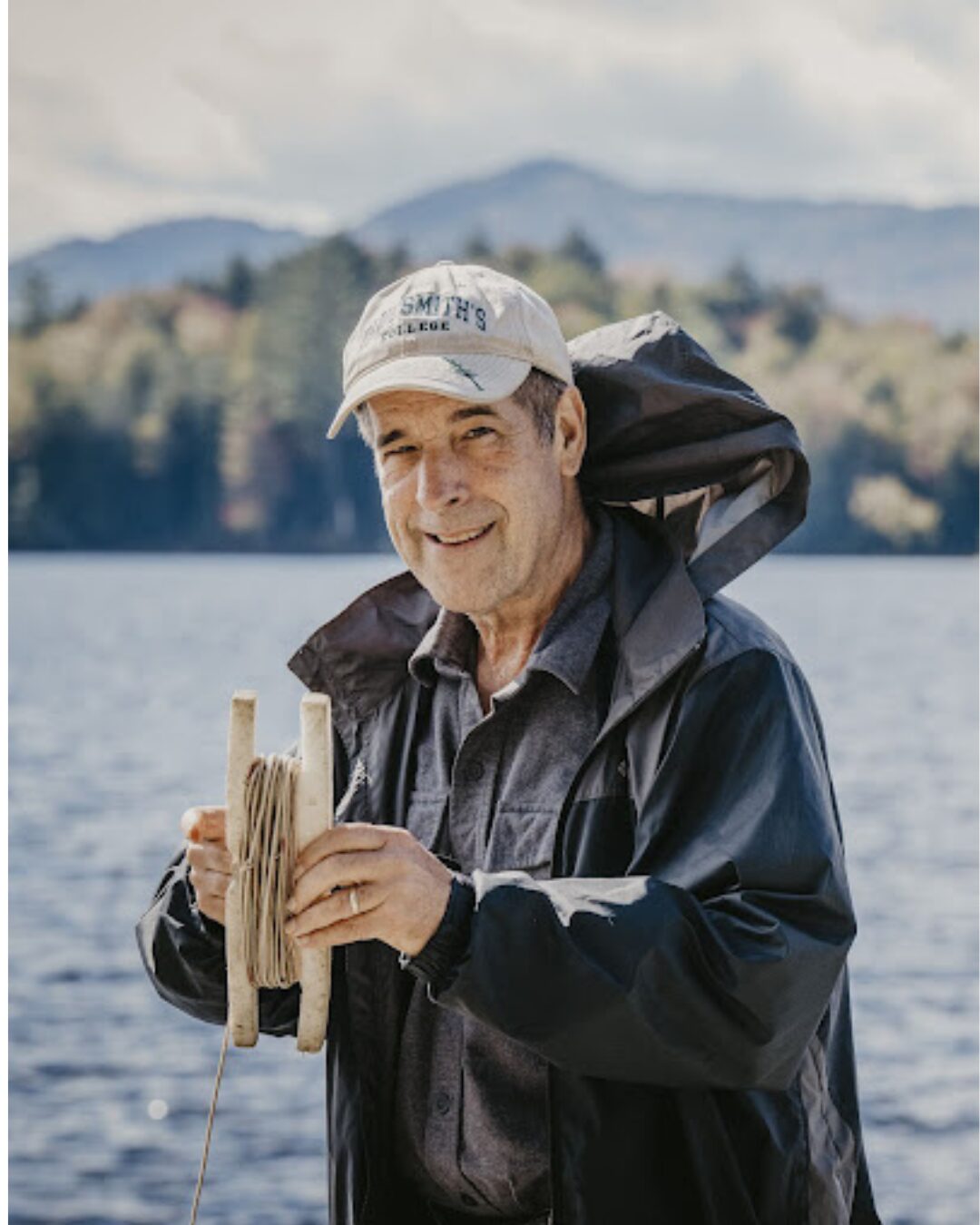
Annie Arnold
Paul Smith's College Adirondack Watershed Institute
Growing up in the Southern Adirondacks, Annie visited the North Country frequently with her family, hiking the High Peaks and skiing at Whiteface. While pursuing her bachelor's degree in Recreation and Leisure Studies with an Outdoor Education Concentration, she guided backpacking trips each summer in the High Peaks and on the waters of the Adirondacks. After graduating, she easily decided to make the North Country her home. In 2020, after a long break from academics, starting a family, and working in several realms in the tri-lakes area, Annie took the leap to pursue her Master's in Natural Sciences and Ecology at SUNY Plattsburgh. Her thesis research focused on arthropod community composition across vegetation gradients within boreal peatlands, specifically determining community structures along the forested-to-open bog gradient at Shingle Shanty Preserve and Research Station in Long Lake, N.Y. Her experiences bring wetland research knowledge and education experience to people of all ages through her position as Watershed Educator at AWI. Her hobbies include gardening, hiking, biking, skiing, snowshoeing, and taking her sons on adventures in the woods and on water.
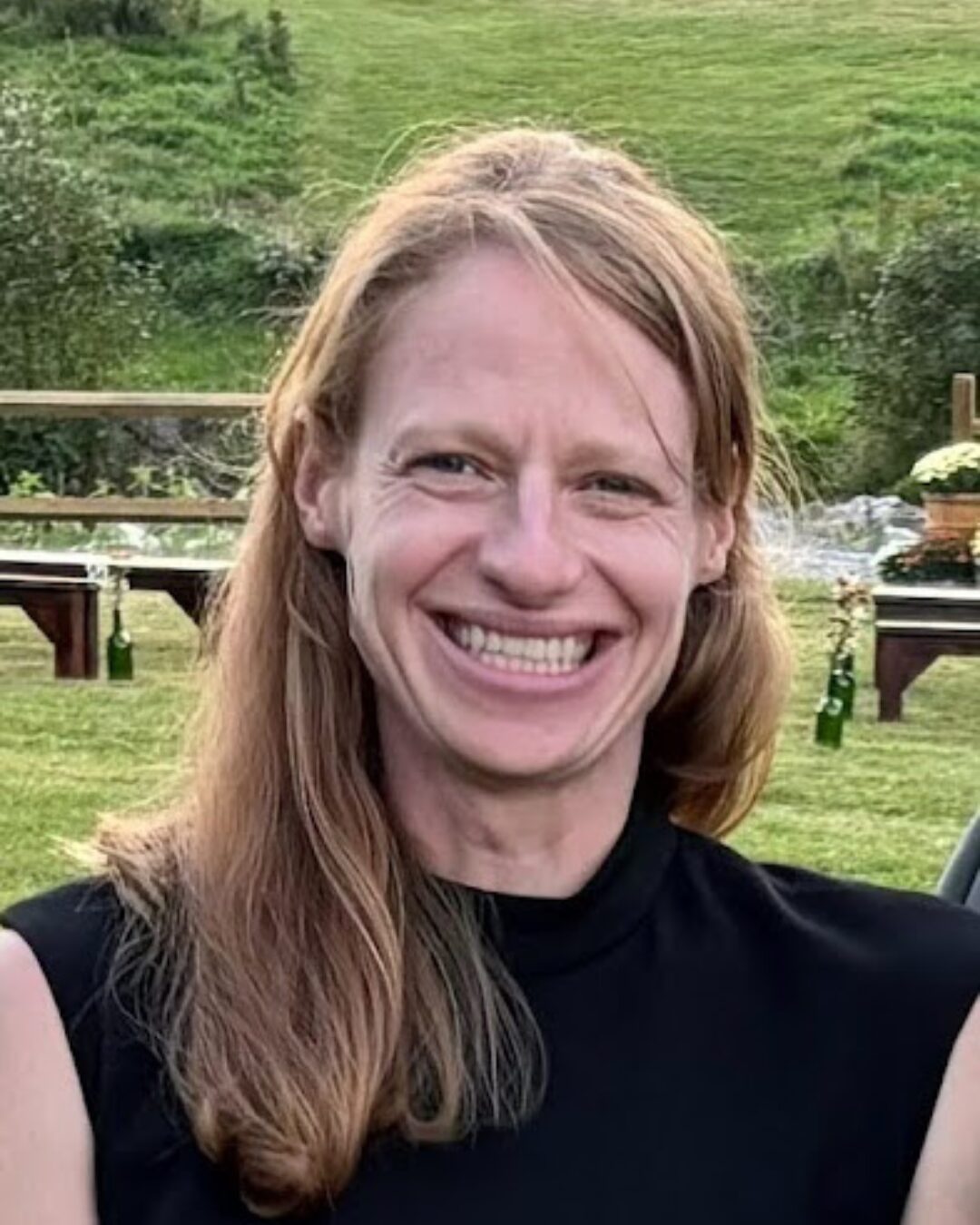
Sunita Halasz
Adirondack Council
Sunita Halasz is Clean Water Community Advocate for the Adirondack Council. She helps to coordinate the ACORN network as a board member of the Adirondack Research Consortium, in partnership with The Wild Center and Paul Smith’s College. She is a Regional Leader for NASA Earth To Sky Program and mentors the teen-led North Country Climate Club. She is a board member of the Adirondack Center for Writing. Sunita was formerly with the APA working with local governments on EPA wetland projects, and State Land UMP review. She co-coordinates North Country Homeschooling and was a member of the Gag Reflex Improv Comedy group.
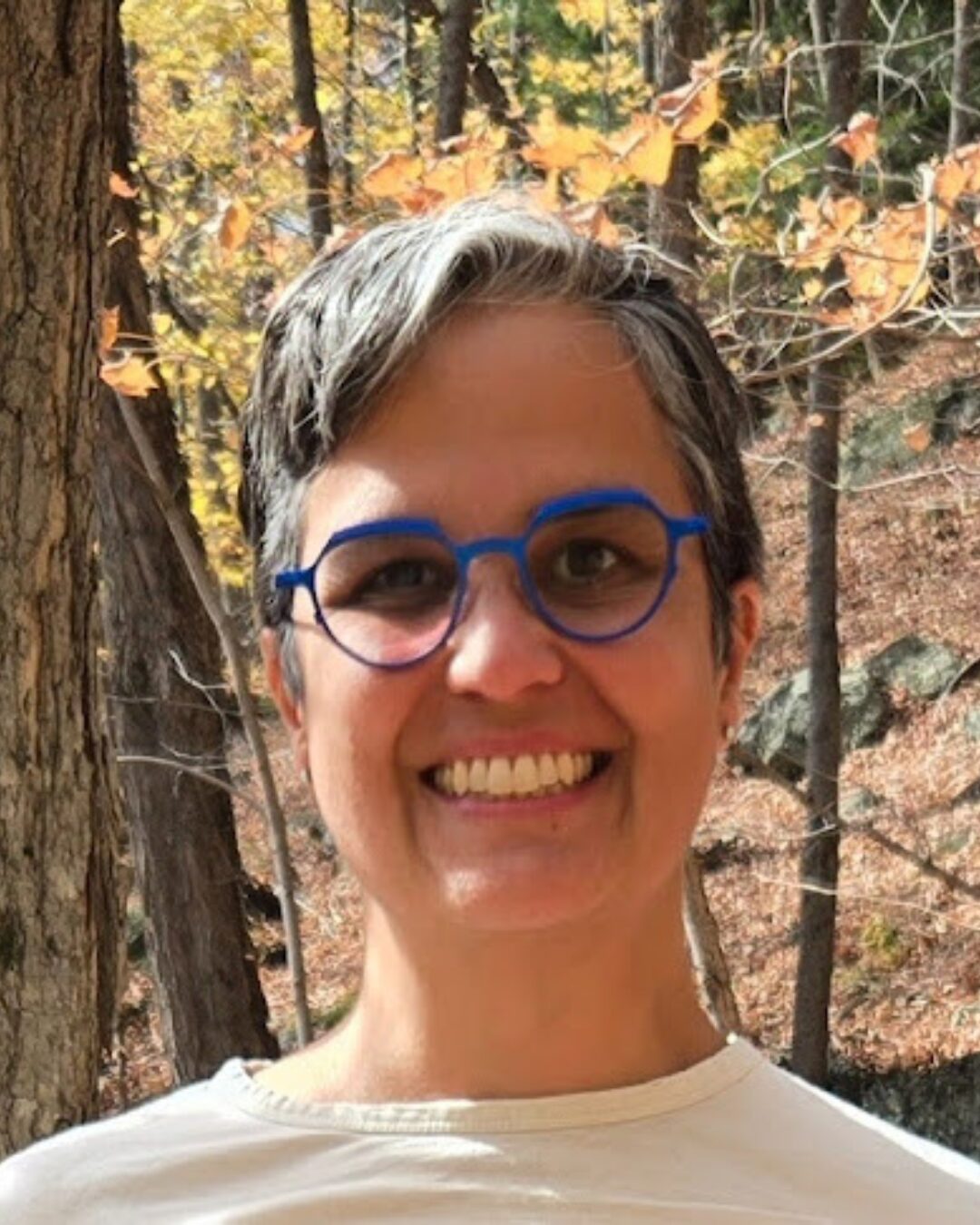
Iakonikonriiosta
She is one of the Great Grandmothers of the Bear Clan at Akwesasne. She began quilting when the Akwesasne Freedom School required parents to enter a quilt into the Annual Quilt auction nearly 40 years ago. She is still a strong supporter and contributor to the Akwesasne Freedom School. Iakonikonriiosta began focussing on quilting 11 years ago finding the art in her quilts with the heartfelt encouragement from Talking Wings Environment Group.
Iakonikonriiosta’s life has been colorful. She was always a working woman, in restaurants, stores, factories, schools, on a farm, in offices, and museums. She was even the Executive Director of MCA for over 7 years. She returned to Akwesasne as a young woman and built a large and loving traditional family with Richard Skidders. She looks forward to using her skills to create pieces that share our stories and to teaching others to sew.
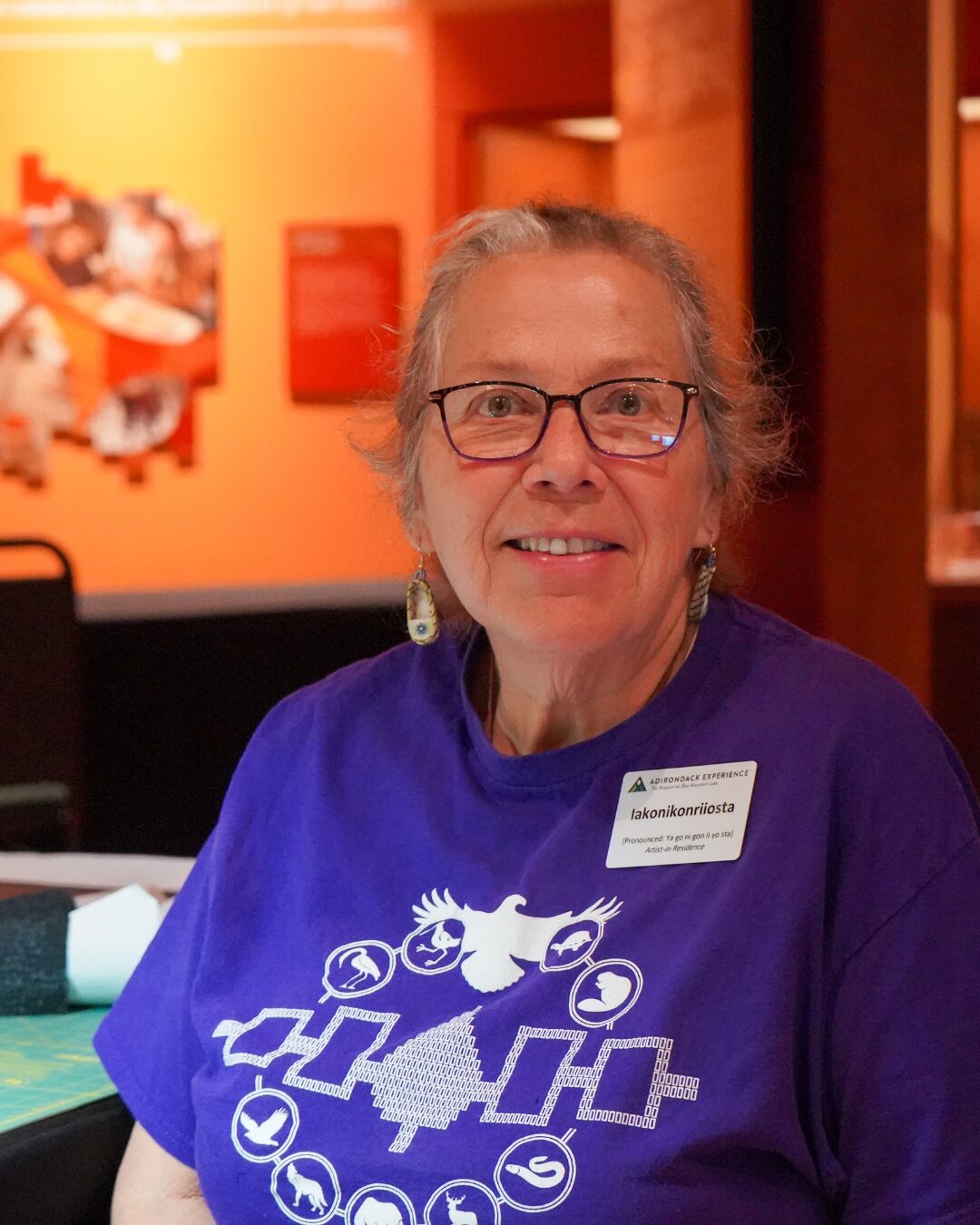
Josh LaFountain
The Nature Conservancy
Josh LaFountain is a Freshwater Specialist with The Nature Conservancy in New York, focused on advancing climate-ready infrastructure and scaling the right-sizing of culverts statewide. He leads efforts to develop a regional coordination model to remove aquatic barriers across the Adirondacks and Lake Champlain Basin, and is working to expand this model to additional regions throughout New York. His work promotes the co-benefits of community resilience and aquatic organism passage at road–stream crossings.
His work includes managing on-the-ground restoration projects, overseeing culvert assessments and prioritization, and strengthening partner capacity across sectors. Josh holds a B.S. in Aquatic Ecology and Water Resources from SUNY Brockport and brings over 15 years of experience leading watershed management and stormwater initiatives in the Northeast.
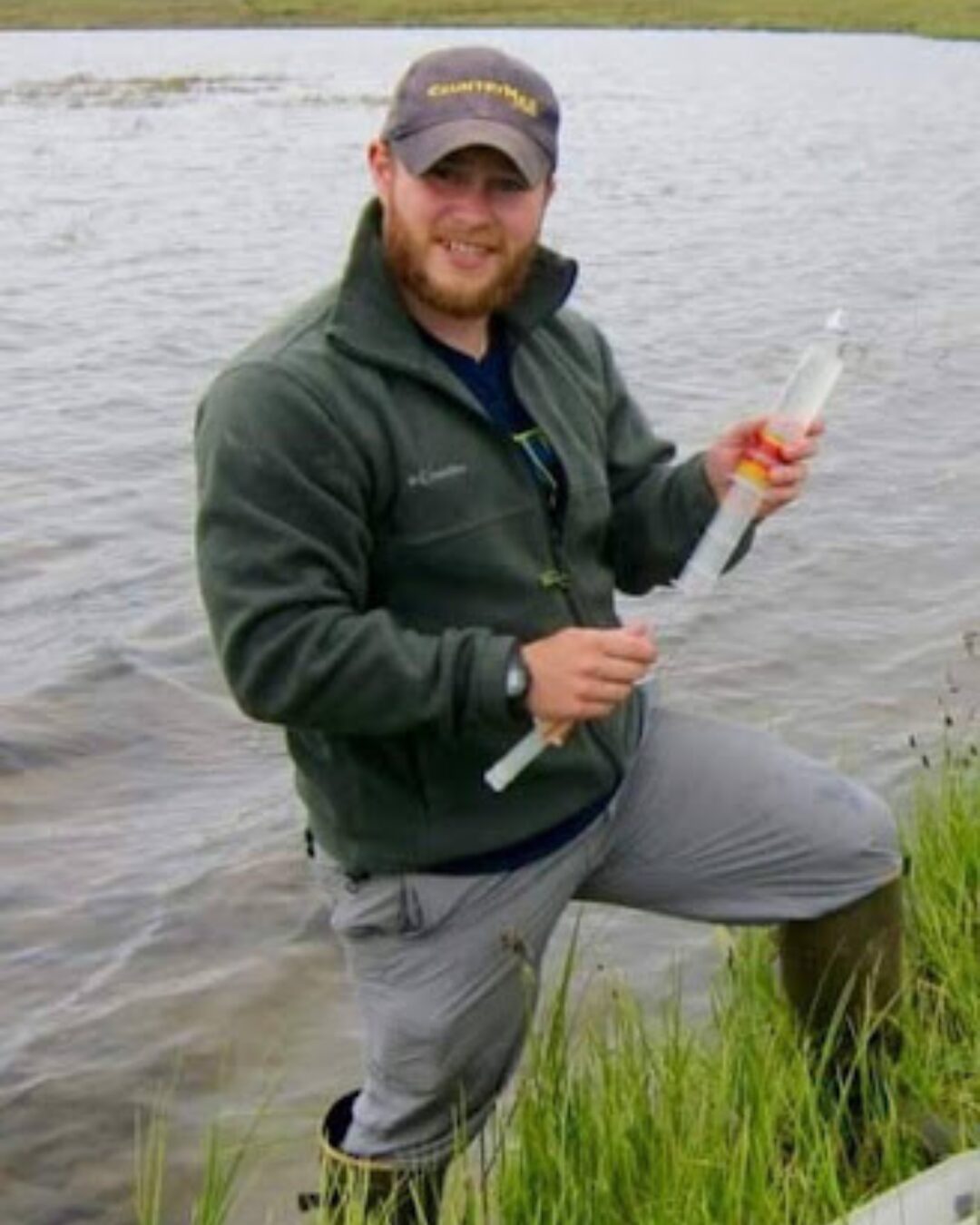
Stephen Langdon
Shingle Shanty Preserve and Research Station
"Stephen Langdon is a consulting ecologist and managing partner at Borealis Consulting, L.L.C., as well as Director of the Shingle Shanty Preserve and Research Station. He leads and contributes to a diverse range of ecological projects, including conservation easement documentation, wetland research, and applied field ecology. His work supports local and national organizations such as The Nature Conservancy, NYS Adirondack Park Agency, NYS Department of Environmental Conservation, New York Natural Heritage Program, Cornell University, the Saint Regis Mohawk Tribe’s Environment Division, and National Oceanic and Atmospheric Administration.
Steve’s primary research focuses on the effects of climate change and atmospheric deposition on peatland plant community ecology and carbon cycling. His peer-reviewed work has been published in Wetlands, Rhodora, and PLOS ONE. He holds a BA in Philosophy and a BS in Ecology from SUNY Plattsburgh, and an MS in Ecology from SUNY College of Environmental Science and Forestry.
Before transitioning to ecological science, Steve spent 16 years as a backcountry ranger and trail builder across the northeastern Adirondacks with NYS DEC, The Nature Conservancy, and the Uihlein Foundation. His trail experience includes constructing and maintaining remote trails in the NYS Forest Preserve, leading a boardwalk construction project with an inmate crew at Silver Lake Bog Preserve, designing and building the Henry’s Woods Trails in Lake Placid, and assessing soil erosion on hiking trails in the High Peaks.
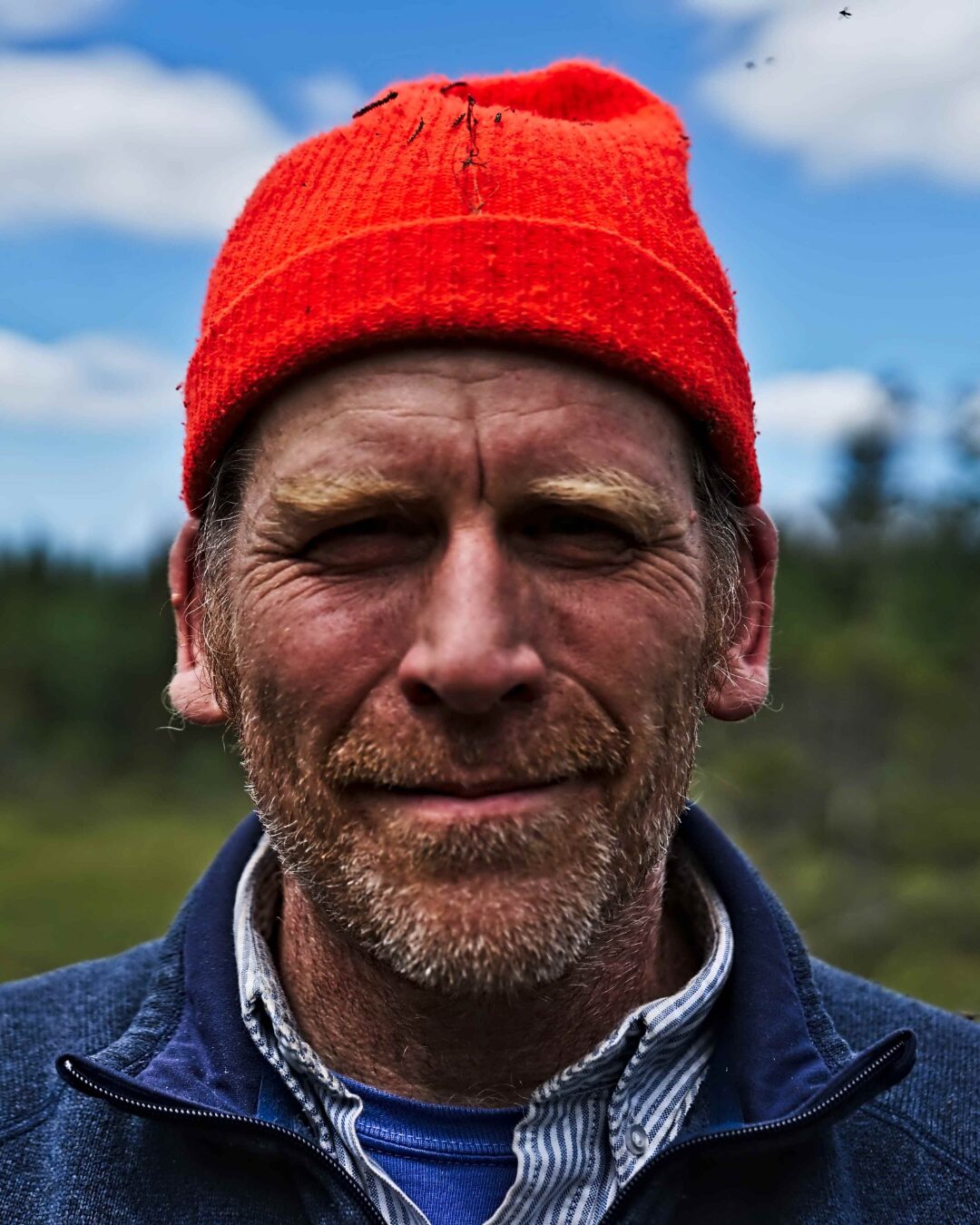
Gary Henry
Ausable Freshwater Center
Gary is a state-licensed professional geologist (NY and TX) with expertise in the fluvial geomorphology of rivers and streams in the Adirondacks. He holds BS and MS degrees in geology and has worked in the environmental field for over two decades. He has led numerous geomorphic assessments in the Lake Champlain and Upper Hudson watersheds to inform restoration and road-stream crossing designs and as part of planning and prioritization projects to identify projects and develop conceptual designs that mitigate sedimentation and stabilize streams.
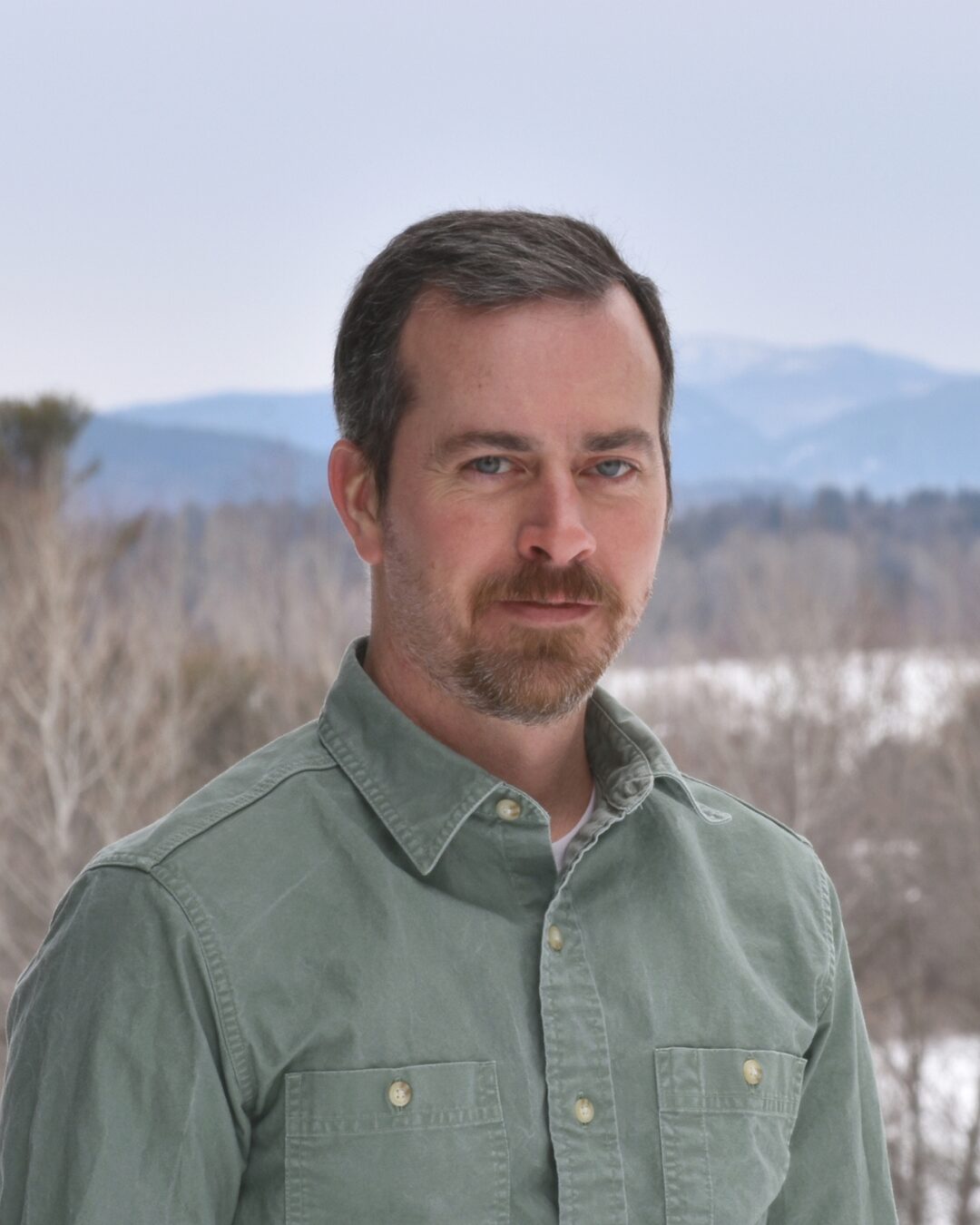
Ann Marie Mason
Warren County Office of Emergency Services
Ann Marie Mason is the Director of Warren County Emergency Services, where she leads the coordination of emergency response and preparedness efforts across the county. With extensive experience in emergency management, Ann-Marie is dedicated to ensuring the safety and well-being of the community through effective planning, training, and response strategies. Her leadership focuses on building resilience, improving communication systems, and fostering collaboration among local agencies and organizations. Ann-Marie's expertise and commitment to public safety make her a key figure in enhancing Warren County's ability to respond to and recover from disasters, both natural and man-made.
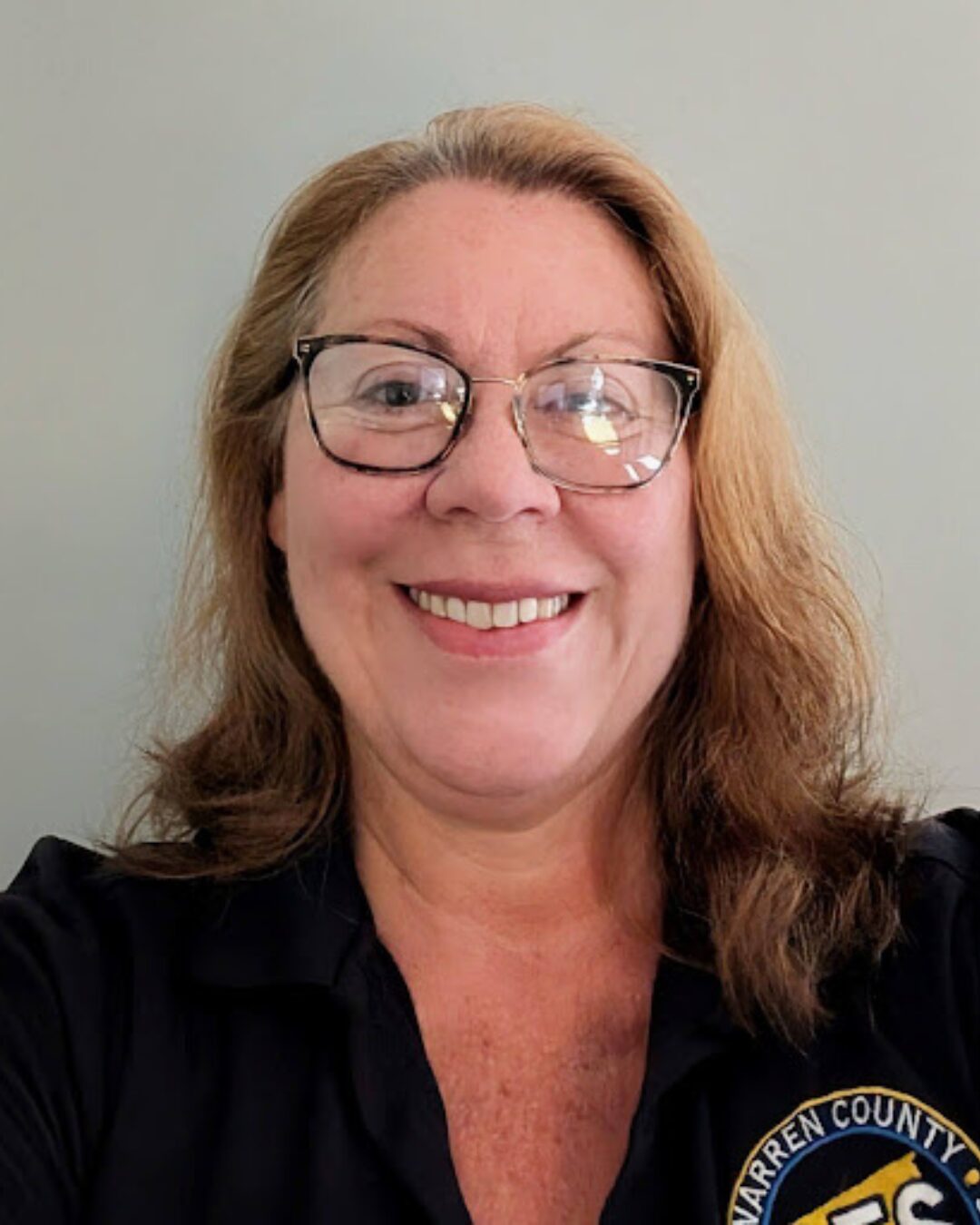
Merle McGee
The Adirondack Experience, The Museum on Blue Mountain Lake
Merle received their Masters in museum studies with a focus on museum education from the Cooperstown Graduate Program in 2022. They have worked at the Adirondack Experience as the School Programs Coordinator and Educator since May of 2024, delivering free onsite and outreach programming to schools across the North Country.
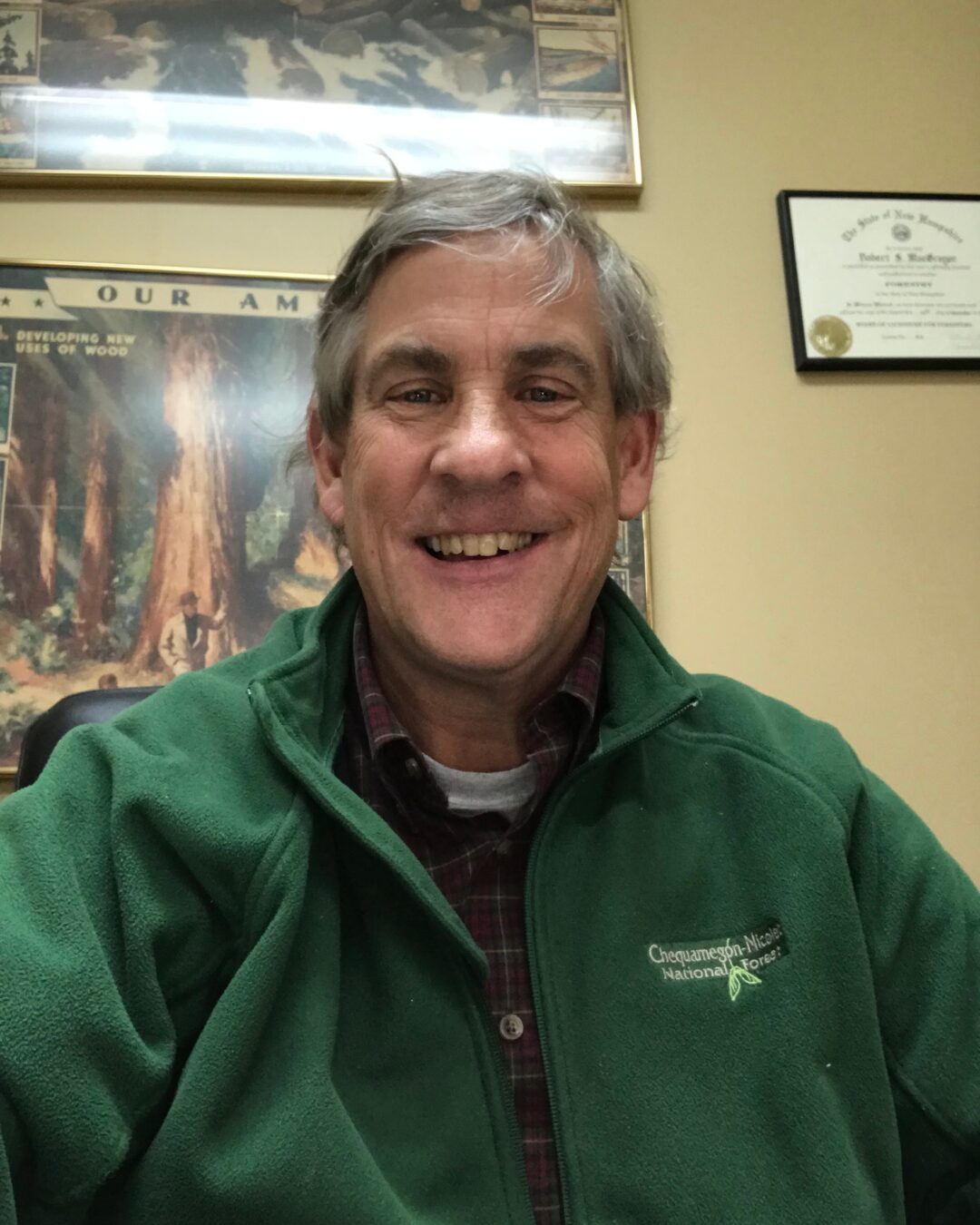
Bob MacGregor
Bob is the Director of Forest Properties at SUNY-ESF. He coordinates management activities on the College’s 25,000 acres of forest land located across the Adirondacks and around the Syracuse area. Bob is a graduate of the University of Vermont and has worked with the New Hampshire Division of Forests and Lands and the US Forest Service during his career.
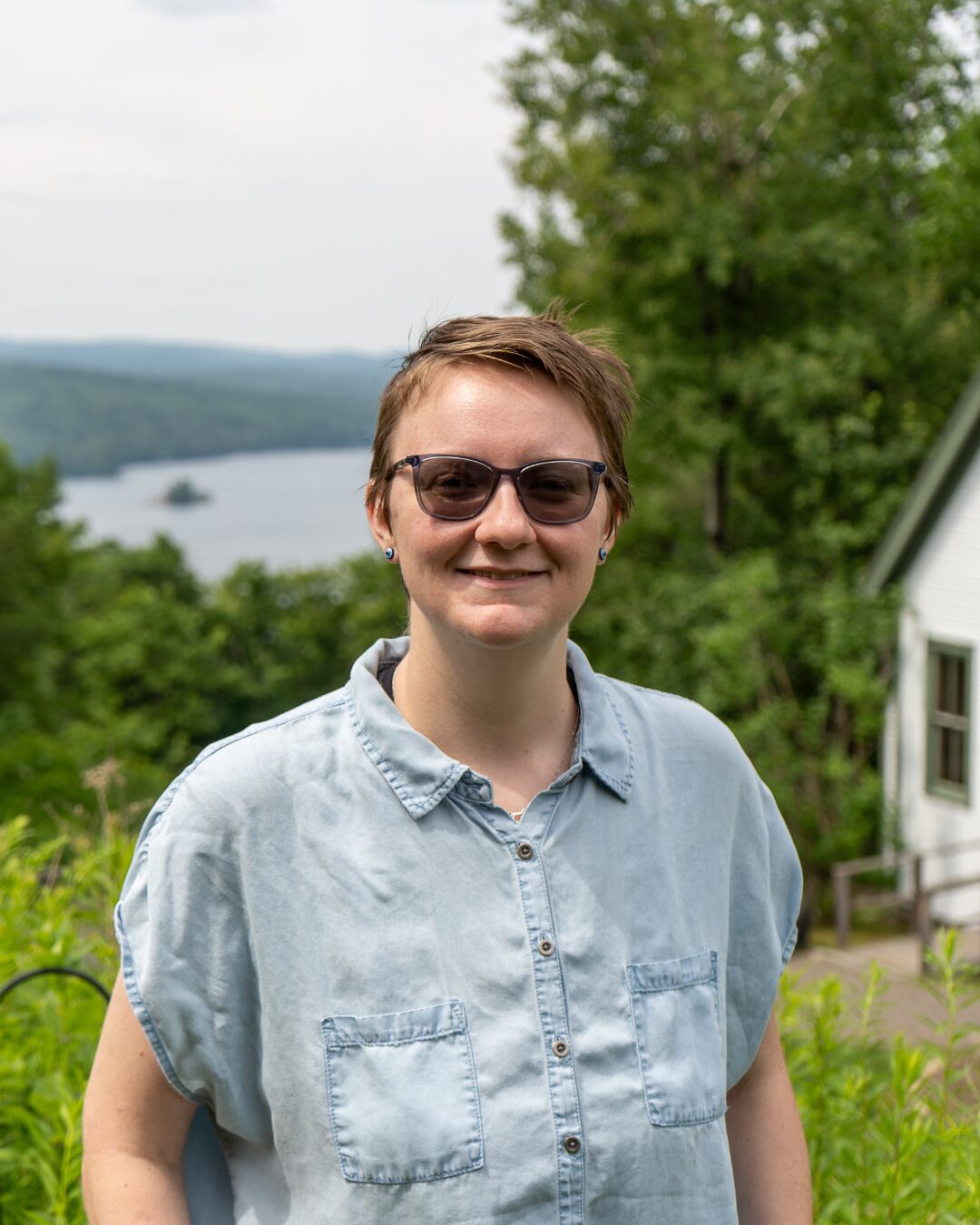
Stacy McNulty
SUNY ESF Adirondack Ecological Center
Stacy McNulty is an ecologist and Associate Director of Research for the Adirondack Ecological Center (AEC), a biological research station of the State University of New York, College of Environmental Science and Forestry (SUNY-ESF) in Newcomb. She received a PhD in Environmental Science and MS in Environmental and Forest Biology from SUNY-ESF and a BA in Biology from SUNY Geneseo. Her interests are broad and center on wildlife, forests, and waters. Her three-decade research career includes songbirds, amphibian use of vernal pools, beaver landscape dynamics, forest management impacts on wildlife and habitat, phenology (timing of natural events) and monitoring ecological indicators of recreation impact on public lands in Adirondack Park. Stacy is always happiest surrounded by a group of students while investigating the natural wonders of the region.
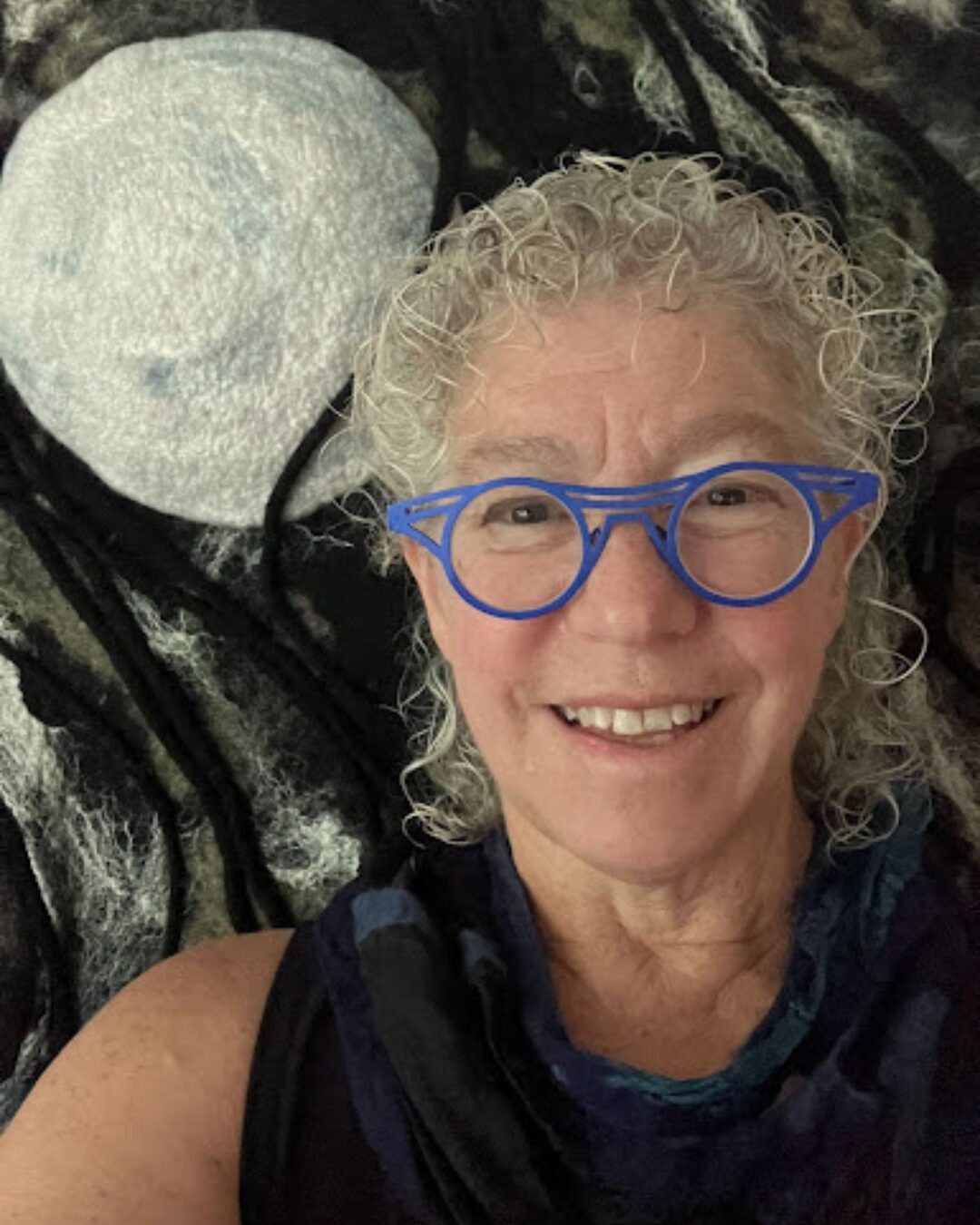
Joy Muller-McCoola
Joy Muller-McCoola is a textile artist using wet felted wool in response to the environment. Rising tides, aridification, and soil degradation are never far from mind. Water and stones are used to address human responses to shifting ecosystems. Joy has shown throughout the Adirondacks, New York State and Massachusetts. She is featured in the PBS WMHT program AHA! A House for Arts, in Felt Matters, the journal of the International Felt Makers Association, and in Wool & Water, a traveling exhibit of fiber pieces interpreting data associated with water issues in the Adirondacks. You can view her work at JoyMuller-McCoola.com and @Joy_Woolworks.
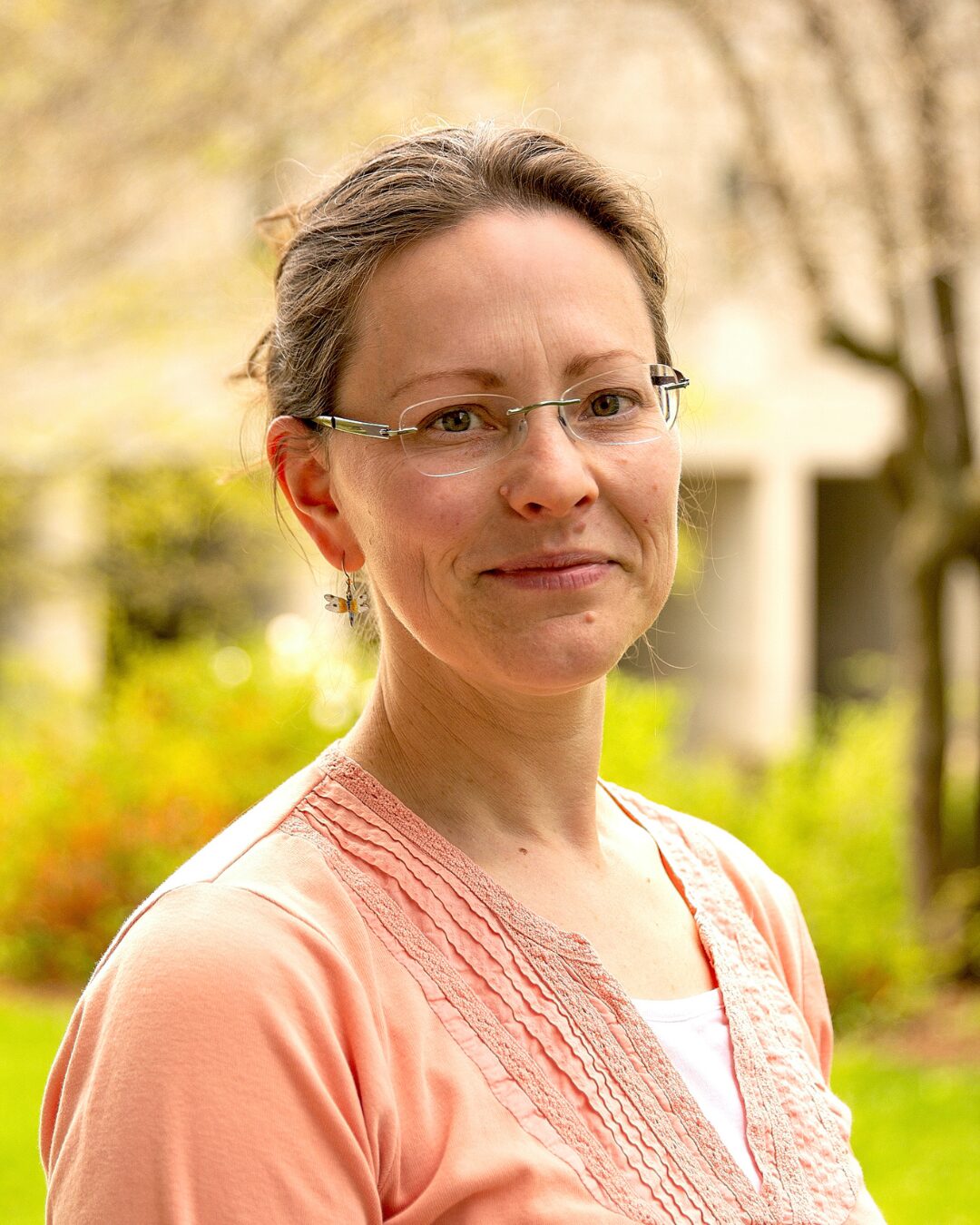
Eliza Phillips
Eliza is the Manager of the Adirondack Interpretive Center. Along with managing the AIC, she also coordinates and leads their public programs. Eliza graduated from SUNY ESF with a bachelor's in Environmental Education and Interpretation. Since then, she has worked at several environmental education centers in NY and TN and has developed a passion for sharing the natural world with everyone, especially kids. In her free time, she loves to paddle, paint, and admire trees. She hopes to see you on the trails!
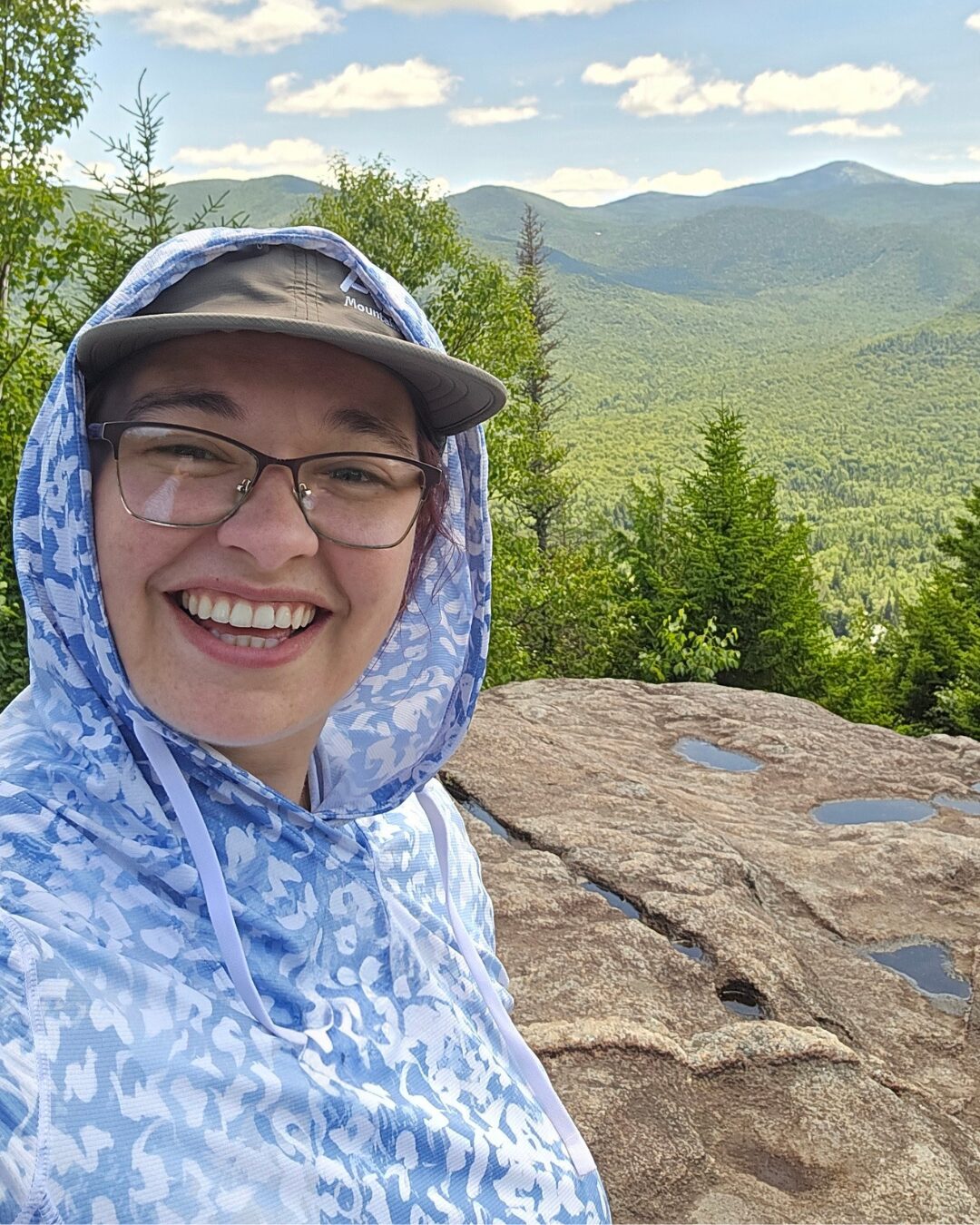
Colin Powers
Boquet River Association
I am the Executive Director of the Boquet River Association, a 35-year-old watershed organization that protects and enhances New York's steepest and cleanest river. We work continuously at flood mitigation, habitat improvement and enhancing the public's experience of the river through volunteerism, recreation and education.
I live along the Boquet in a historic homesite in the Split Rock Wildway – a migration corridor between the Green Mountains of Vermont and the high peaks of the Adirondacks. Observing the interaction and inter-relating of humans, aquatic and terrestrial creatures is part of every day in this semi-wild place.
My prior careers include filmmaking and bicycle-building. My documentary projects have highlighted worker-owned businesses, the rise of small farming, environmental issues, immigrant’s rights, social justice programs in underserved communities and much more.
I have a graduate certificate in Community Resilience & Planning from University of Vermont and a BA in Geography which has led me down many interesting paths.
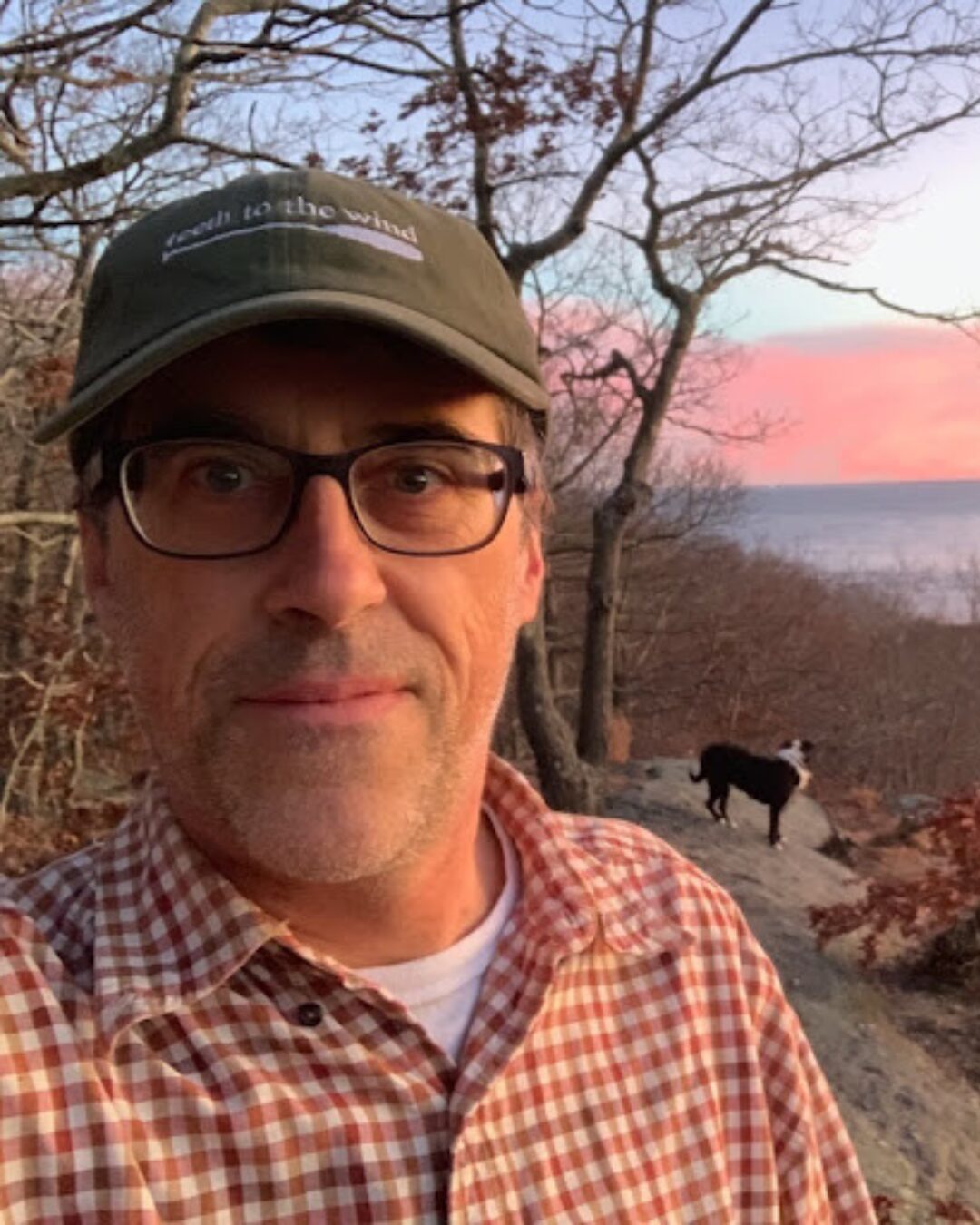
Laura Rice
The Adirondack Experience, the Museum on Blue Mountain Lake
Laura holds a MA in American Studies from the University of Pennsylvania; was Curator of Prints and Photographs at the Maryland Historical Society, Curator at the Clymer Museum of Art in Washington State, and she is now Chief Curator at the ADKX where she has worked for 23 years.
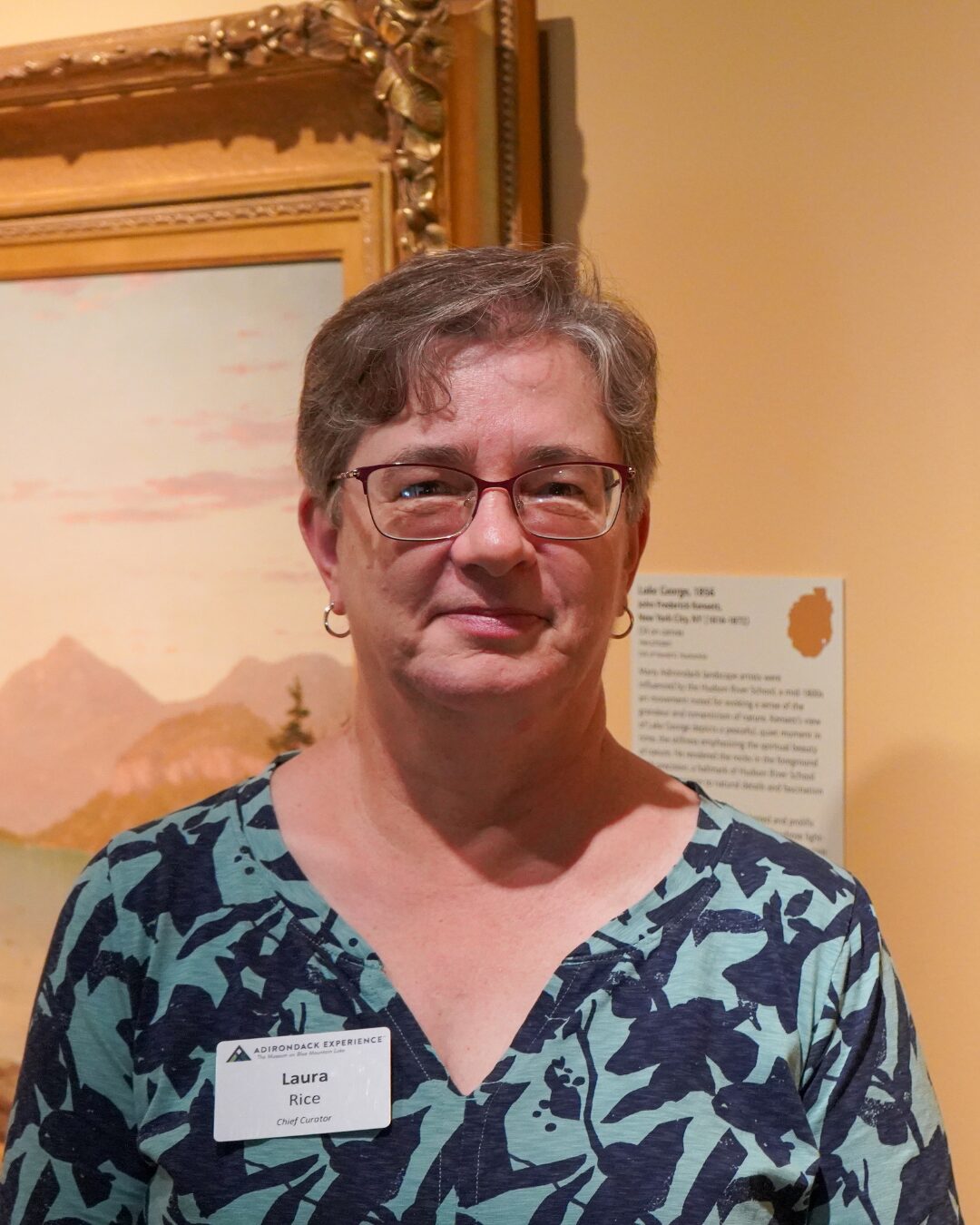
Dan Spada
Alma Maters: Paul Smith’s College (1976), Orange County CC (1980), SUNY ESF - MS Env & Forest Biology (BS 1982, MS 1985). Associate Project Analyst, Biological Resources, NYS Adirondack Park Agency. Supervisor, Resource Analysis and Scientific Services Division, NYS APA. Retired 2012. Co-author, “NYS Freshwater Wetland Delineation Manual” (1995). Inaugural member, NYS Invasive Species Task Force. Lecturer - wetland ecology, management and delineation- Wanakena Ranger School, Paul Smith’s College, SUNY Plattsburgh. President, New York Flora Association.
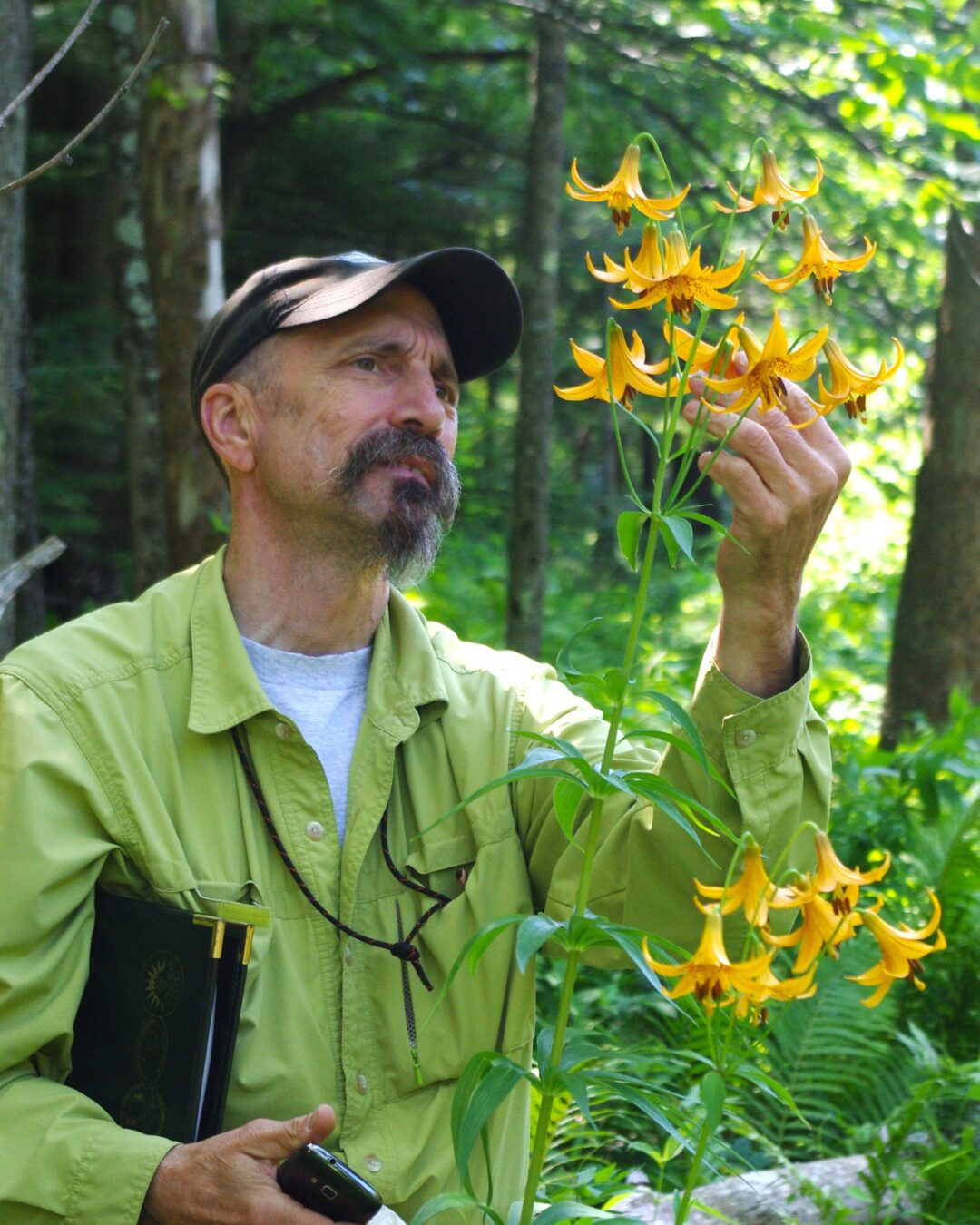
Alex Jacobs Wilke
Village of Potsdam
Alexandra Jacobs Wilke is the Mayor of Potsdam, where she has dedicated herself to fostering innovation, sustainability, and community engagement. With a deep commitment to inclusion and transparency, she has spearheaded initiatives that focus on environmental responsibility, community development, and enhancing the quality of life for Potsdam’s residents and visitors. As a proud Bronze-certified Climate Smart Community, the Village of Potsdam is focused on resiliency and adaptation in the face of climate change. Thanks to community grassroots advocacy and quick mobilization, the Village won a Green Resiliency Grant to support a project to improve its stormwater management systems, helping the municipality to better weather increasingly strong and unpredictable precipitation events. Alex is active in the New York Conference of Mayors and Municipal Officials, and was an inaugural member of the Active People, Healthy Nation Champions Institute, sponsored by the Centers for Disease Prevention and Control and Smart Growth America.
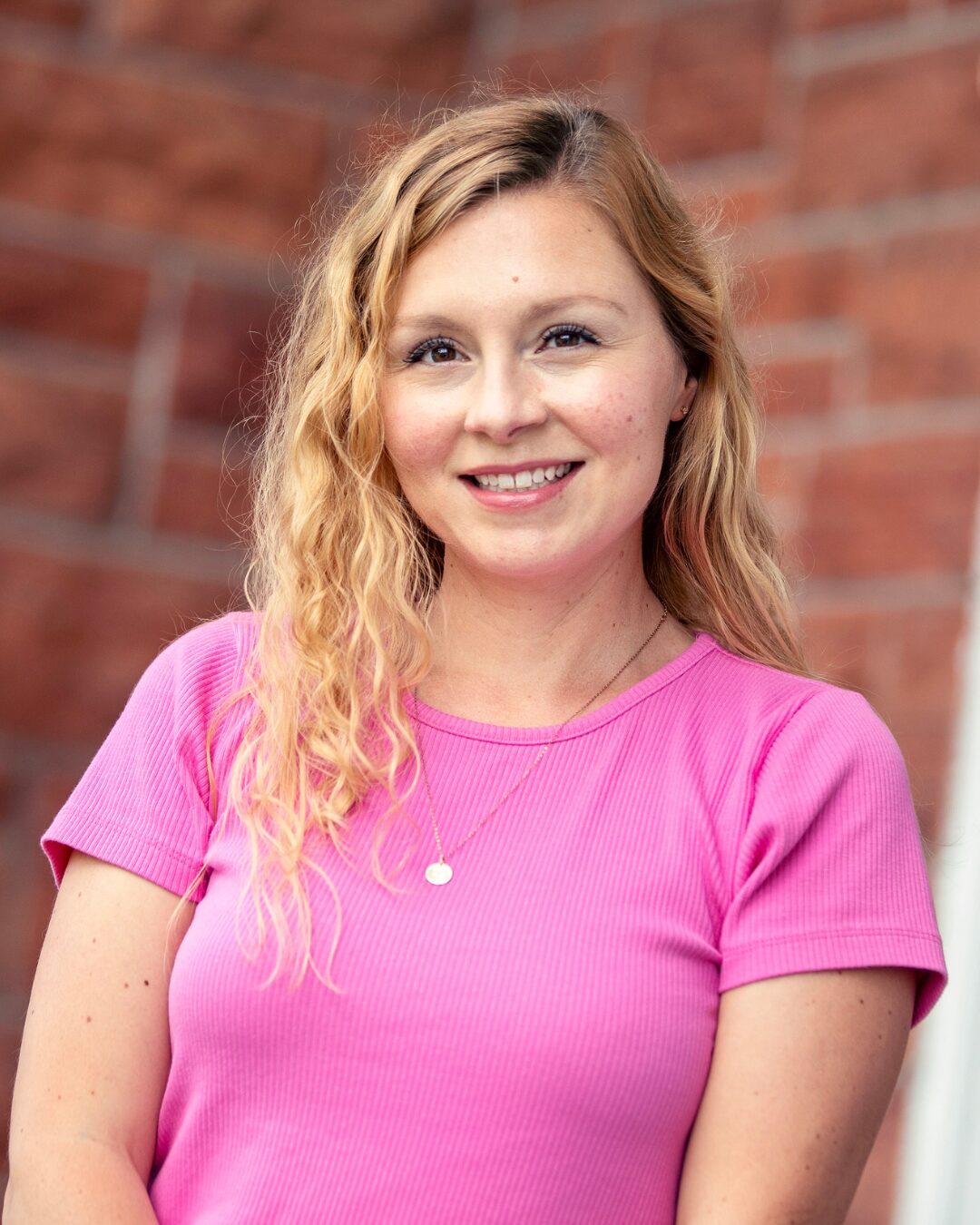
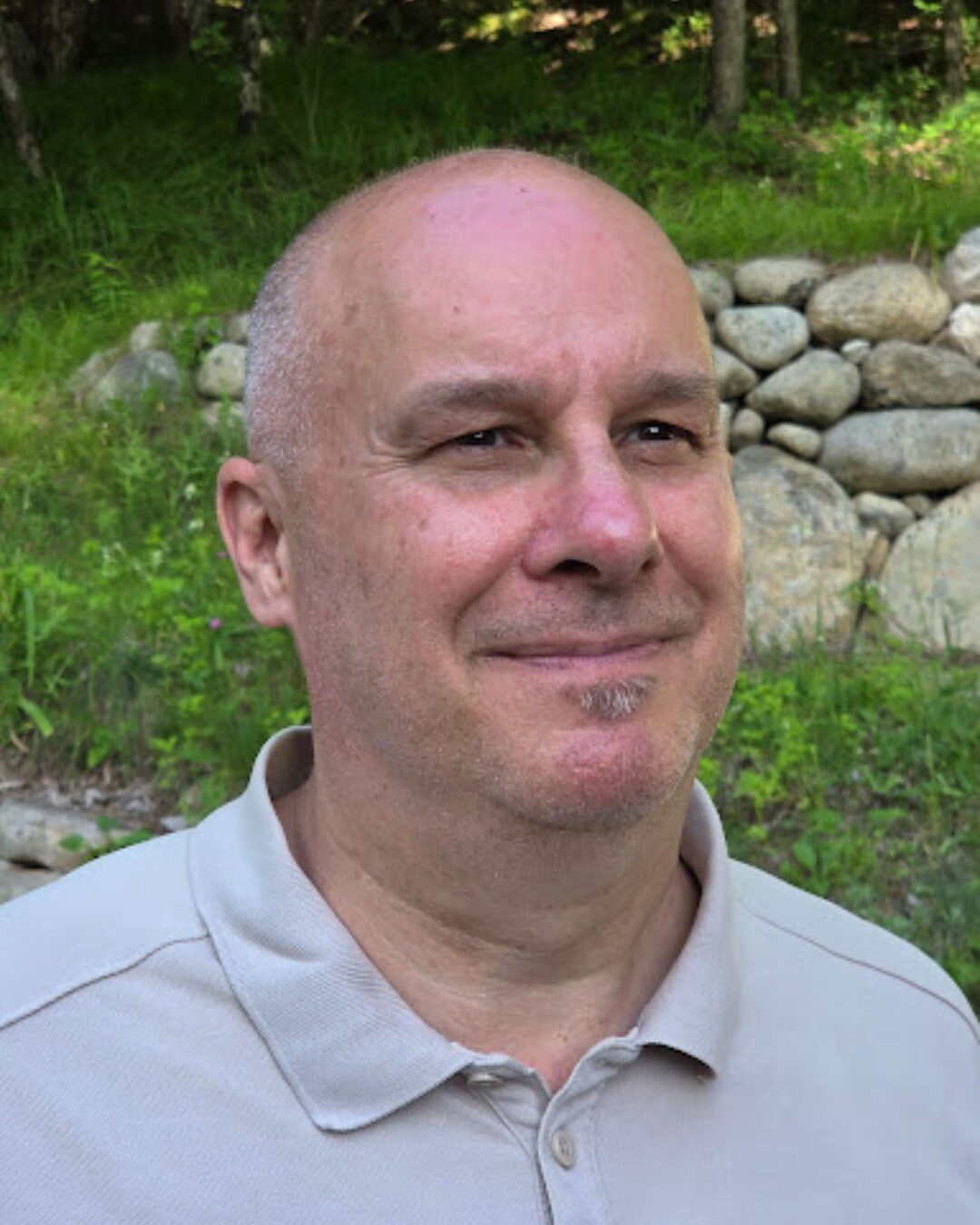
Joe Pete Wilson
Joe Pete Wilson has been the supervisor of the Town of Keene since 2017.
THANK YOU TO OUR SPONSORS
